Does the 2025 Harley-Davidson® Low Rider® ST Fairing Reduce Wind Buffeting for Elkton, MD Riders?
Eisenhauer's Chesapeake Harley-Davidson® - Does the 2025 Harley-Davidson® Low Rider® ST Fairing Reduce Wind Buffeting for Elkton, MD Riders?
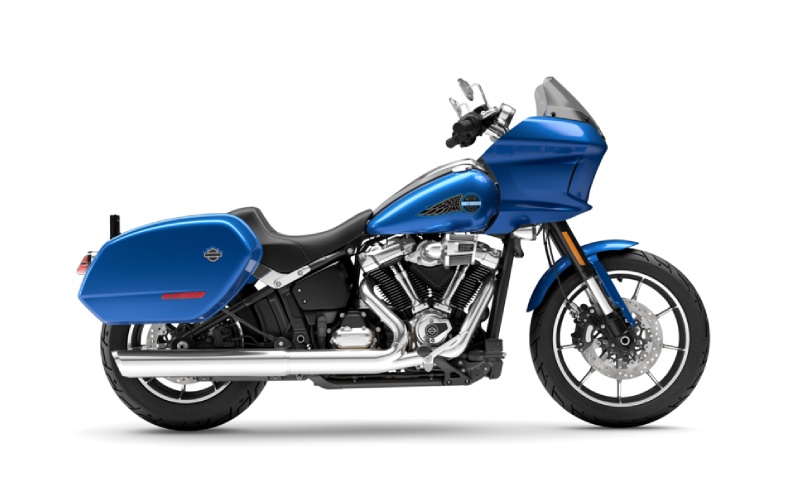
Riders considering the sport-touring side of the Harley-Davidson® lineup often want to know how the 2025 Low Rider® ST’s frame-mounted fairing behaves when the wind picks up or the miles start to add up. Built with computational fluid dynamics, the fairing is designed to manage airflow around the rider, reduce steering influence from gusts, and support a calmer helmet zone at speed — a meaningful difference on coastal routes, bridges, and open highway stretches near Elkton, MD.
Unlike a fork-mounted design, the Low Rider® ST fairing connects to the frame so wind pressure is not acting directly on the bars. This can help the bike feel steadier in crosswinds and in the wake of larger vehicles, allowing you to maintain your line with less input. The shape of the fairing channels air so that the stream reaching the rider is cleaner and more consistent, which many riders interpret as reduced buffeting and less fatigue over the course of a day ride.
To maximize comfort, consider pairing the fairing with setup choices that match your height and helmet shape. The goal is to route air either cleanly over the helmet or present a laminar flow that does not generate turbulence right at visor level. Small changes can make a big difference, especially if you ride varied terrain and speeds.
- Windshield height: Select a screen that places the slipstream just above your eyeline to minimize helmet lift.
- Helmet aerodynamics: A well-vented, touring-oriented lid often pairs best with the Low Rider® ST airflow.
- Riding posture: Bar and seat adjustments can raise or lower your profile in the wind for cleaner flow.
- Layering strategy: Smooth outer layers reduce flapping that can amplify perceived buffeting.
Beyond airflow, the Low Rider® ST’s tall rear monoshock raises the tail for added cornering clearance, which contributes to stability when the wind pushes at lean. It is also worth noting that the new four-inch display and updated hand controls keep the cockpit tidy and easy to read, so you spend less time searching for ride data and more time focusing on the road. Available Ride Modes and the full suite of Rider Safety Enhancements complement the fairing’s benefits by tailoring throttle response and intervention thresholds to conditions.
Frequently Asked Questions:
How does the Low Rider® ST compare to a fork-mounted fairing in crosswinds?
Because it is frame-mounted, the fairing’s wind load does not act directly on the handlebars. The steering feels cal mer in gusts, which helps you hold a line without white-knuckling the grips.
Will a taller windshield always reduce buffeting?
Not always — it needs to be matched to your height and helmet. Too tall can create back-pressure or turbulence. Aim to place the slipstream just above your eyeline for a clean, quiet pocket.
Do Ride Modes change how the motorcycle reacts to gusty conditions?
Ride Modes primarily adjust throttle response and intervention thresholds for Rider Safety Enhancements. While they do not change fairing aerodynamics, the added composure from calibrated power delivery can make the bike feel more settled when conditions vary.
What else should I adjust for all-day comfort in the wind?
Confirm bar position, seat support, and lever reach so you are not fighting posture. A stable, relaxed stance lets the fairing do its job while you stay fresh over longer distances.
Eisenhauer's Chesapeake Harley-Davidson® — serving Elkton, Havre de Grace, and Bel Air — can help you fine-tune airflow and ergonomics with windshield options, cockpit adjustments, and accessory recommendations that align with the 2025 Low Rider® ST’s design intent. If your riding includes regular highway stretches or coastal routes, this platform’s aerodynamic approach offers real-world advantages you will feel from your first long day out.